Potash (Kaun)
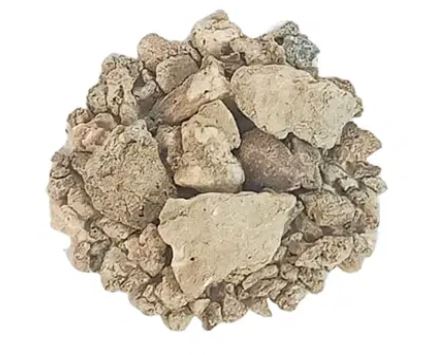
Short Description (App Card / Search Snippet) 100% pure, naturally sourced Rock Potash (Kaun / Akanwu). Essential traditional culinary salt and tenderizer for softening beans and tough meats, binding Nkwobi or Abacha oil-water emulsions, and boosting viscosity in draw soups (Ewedu, Okra, Ogbono). Long Description (Detailed Product Page) Bring time-honored traditional precision to your kitchen with FarmPrices Authentic Cooking Potash (Kaun / Kahn). Carefully hand-selected and purified from natural mineral rock deposits across Northern Nigeria, our food-grade Kaun is free from dirt impurities, heavy sand, or artificial additive treatments. Used for generations across West Africa, Kaun acts as an indispensable natural culinary catalyst. It significantly reduces cooking times for tough proteins, beans, and hard pulses, acts as an alkali emulsifier to turn palm oil into a rich yellow sauce for Nkwobi, Ugba, and Abacha, and enhances the vibrant color and viscous "draw" of native soups like Ewedu and Okra. 3. Culinary & Preparation Profile Primary Culinary Uses: Emulsification (Nkwobi / Ugba / Abacha): Mixed with a little warm water and whisked into warm palm oil to form a thick, golden, creamy oil emulsion base (Yellow Oil Sauce). Pulse & Food Tenderizer: Added sparingly to boiling beans, cowpeas, stockfish, or tough meats (e.g., cow foot, offal) to accelerate cooking time and break down tough connective tissue or plant fibers. Soup Viscosity & Color Retainer: Added in tiny amounts while cooking Ewedu, Okra, or Kuka to maintain vibrant green chlorophyll color and maximize elasticity/slime. Prep Instructions & Liquid Extraction Method: Dissolve a small piece of Kaun (approx. 5g) in 3–4 tablespoons of warm water. Stir well until the soluble salts dissolve, allowing any heavy natural minerals or sediment to settle at the bottom of the cup. Decant the clear liquid top layer into your food or oil emulsion, leaving the fine sediment behind. Discard the leftover sediment. 4. Medicinal & Traditional Profile Chemical & Mineral Composition Primary Compounds: Hydrated Sodium Carbonate / Potassium Carbonate mineral salts. Trace Minerals: Contains naturally occurring potassium, sodium, calcium, and trace iron salts. Traditional Uses & Functional Properties Digestive Relief (Traditional Context): Historically used in tiny dilutions as a traditional remedy for constipation or bloating, though culinary use remains its primary safe application. Lactation Stimulation: In traditional maternal care, small culinary amounts are used in post-partum soups (Omugwo fish broths) to stimulate digestion and milk flow. 5. Safety, Allergens & Contraindications Safety & Usage Notice: Allergen Information: Hypoallergenic, zero-allergen natural mineral product. Dosage Caution: Potash is high in sodium and alkaline mineral content. Always use in small moderation. Overuse can alter food flavor (making it bitter) and cause stomach upset. Pregnancy & Kidney Health: Pregnant women and individuals with hypertension (high blood pressure), chronic kidney disease (CKD), or sodium-restricted diets should limit or avoid food prepared with high concentrations of potash. Storage Note: Store in a completely dry place. Moisture causes potash rocks to dissolve or disintegrate prematurely.
⚡ Delivery: Delivered fresh to your doorstep in as little as 45 minutes.
Order on Farm Prices App